What Is Agent-as-a-Service and How Is It Different from SaaS?
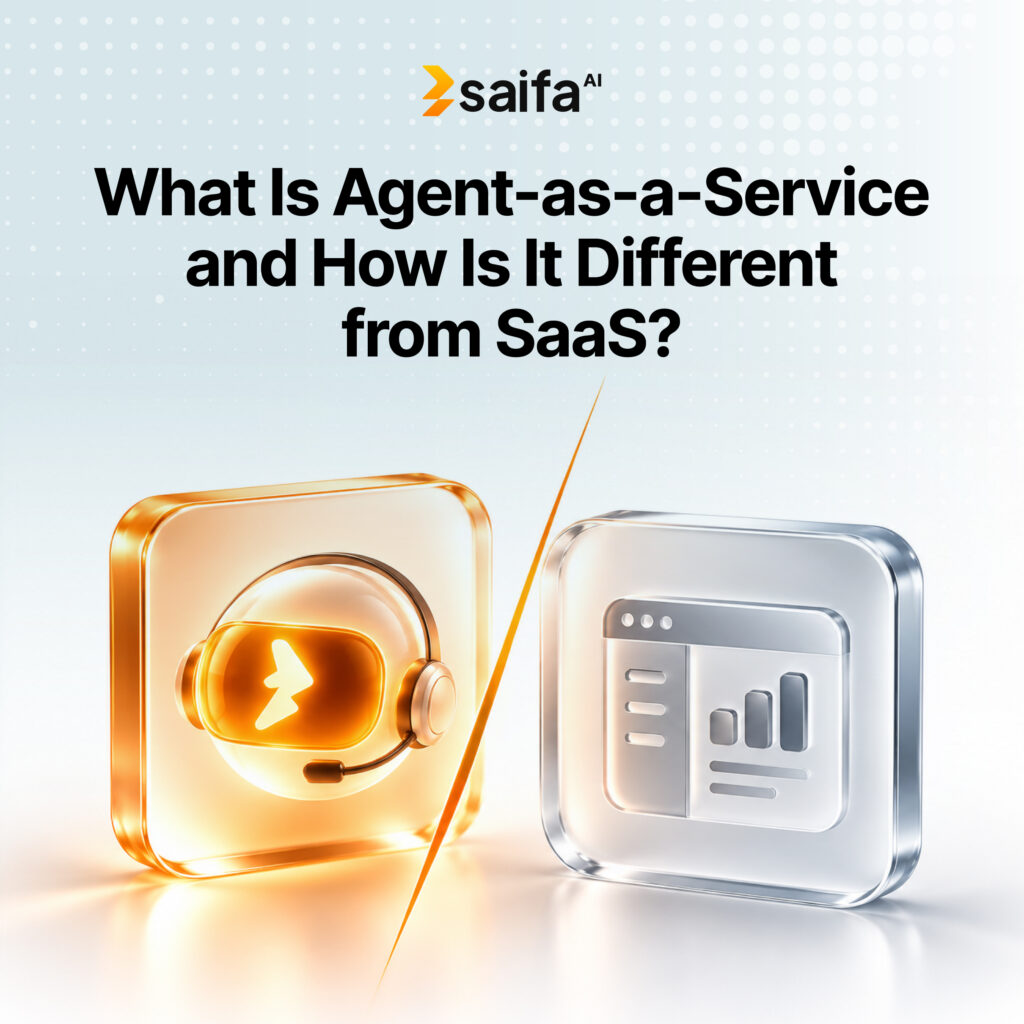
Over the past few years, many businesses have become familiar with the SaaS (Software-as-a-Service) model, which changed the way businesses use software. Instead of buying software and installing it on a computer, businesses can now pay a monthly or yearly subscription to use software through the cloud. This includes CRM systems, accounting software, marketing tools, and Customer Service platforms.
But in 2026, the way we use software is changing again.
The change is not simply about adding AI to existing software. It is about changing the role of software from a “tool that people use to get work done” to “AI that can do the work for them.”
This is leading to a new model called Agent-as-a-Service (AaaS). AI Agents do more than answer questions or create content. They can take a goal, plan what needs to be done, make decisions, use different tools, and complete multiple steps to get the job done.
The rise of AaaS does not mean SaaS will disappear. Instead, it is putting new pressure on the traditional SaaS business model, especially software companies that make money based mainly on the number of users.
What is SaaS (Software-as-a-Service)?
SaaS is a software delivery model that uses the cloud. The software provider operates the software and the infrastructure and users access it via the internet. In most cases, the business pays a subscription fee that is based on the number of users.
Users don’t need to install the software on their computers. They can just log on and start using it.
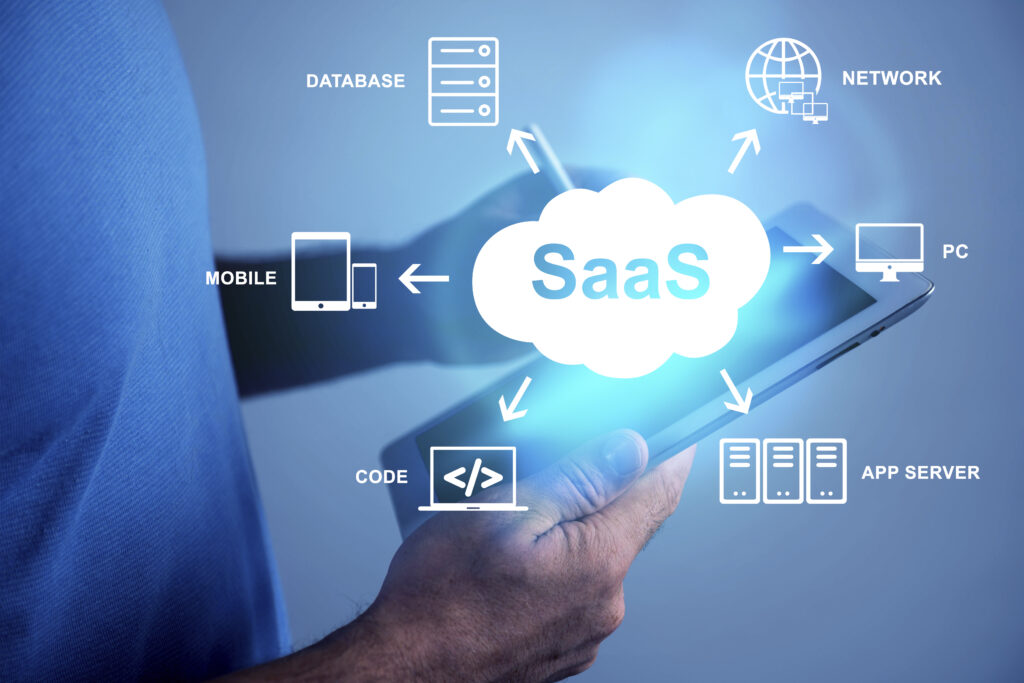
Examples of SaaS include Gmail, Slack, Salesforce, HubSpot, and Adobe Creative Cloud. The provider takes care of the infrastructure, updates, and security, while businesses still own their software accounts and data.
Key Benefits of SaaS
- Clear cost per user: The subscription model makes it easier to plan and predict software costs.
- Quick to get started: Businesses do not need to buy hardware or spend time setting up complex systems.
- Automatic updates: The provider handles software updates, reducing the need for businesses to manage the software themselves.
- Large ecosystem: SaaS can connect with other business tools and systems through integrations.
Limitations of SaaS
- Still depends on people: Software can make work more efficient, but employees still need to use the tools to get things done.
- Multiple Software Systems: Businesses may use many SaaS tools, making it harder to connect systems and manage data.
- High Software Costs: Businesses may have to pay for many software subscriptions every month, even when some tools do not provide enough value.
- Limited flexibility: Most features are designed by the software provider, so it may be difficult to customize the software for specific business workflows.
What Is AaaS (Agent-as-a-Service)?
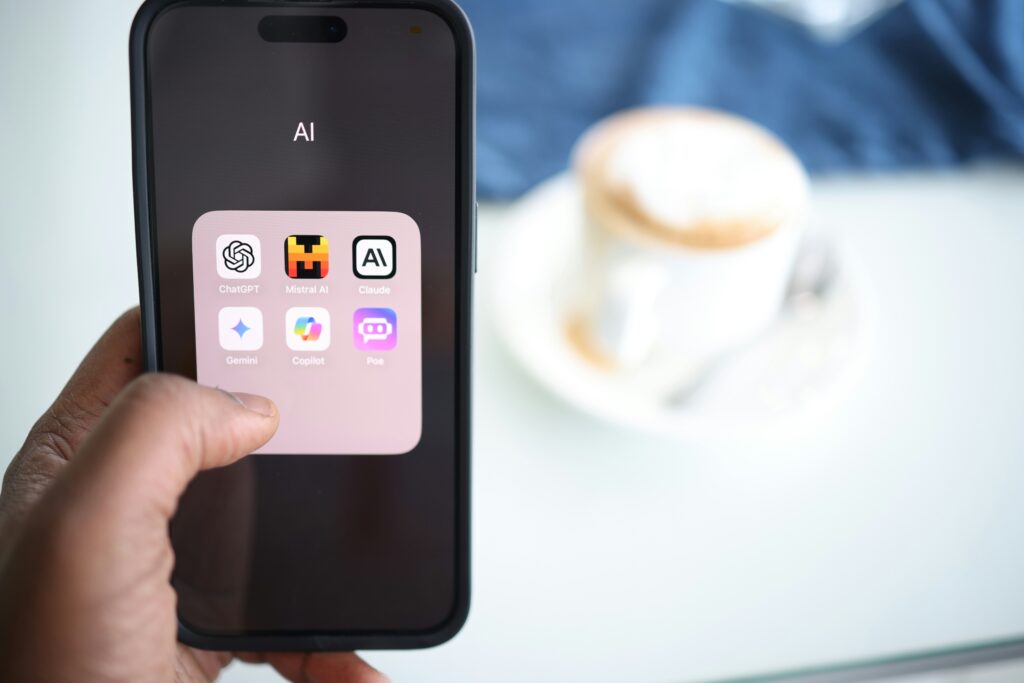
AaaS, or Agent-as-a-Service, is a cloud-based model that uses AI Agents powered by Large Language Models (LLMs), Machine Learning, and Natural Language Processing to perform tasks, make decisions, and manage workflows with less human input.
With AaaS, users do not need to manage software through a screen at every step. Instead, they can give an AI Agent a goal, and the AI can understand the context, get information from different tools, and take the necessary steps to achieve the desired result.
Key Capabilities of AaaS
- Independent Operation: AI Agents can take actions and make decisions based on a given goal without needing instructions at every step.
- Understanding Context: AI Agents can use information from conversations, past interactions, and business data to adjust how they work based on the situation.
- Multi-tool Integration: AI Agents can connect with SaaS tools, APIs, and databases to manage workflows across multiple systems.
- Continuous Learning: AI Agents can use data and interactions from the system to improve how they work and better understand the business context over time.
- Outcome-based Pricing: Some AaaS models are moving toward pricing based on the tasks or work completed by AI, rather than charging per user or seat. This can make software costs more closely tied to the value delivered to the business.
The Shift from SaaS to Agent-as-a-Service
For many years, SaaS (Software-as-a-Service) has been the main way businesses access software without having to install systems or manage infrastructure themselves. Businesses can simply subscribe to a service and log in through the internet to start using different tools.
But the rise of Generative AI and AI Agents is changing this idea once again.
In the past, software worked as a “tool” that helped people get work done. Users still had to open the system, search for information, enter data, and complete each step themselves. Today, AI Agents can take a goal and handle multiple steps to complete the task.
This change is not only about technology. It is also changing how businesses buy software, how software is priced, and how productivity is measured.
In the SaaS world, businesses may ask, “What features does this software have?” or “How many users does it support?”
But in the world of Agent-as-a-Service, the questions may become, “What can the AI do for the business?” and “How much value can it create?”
For example, instead of having the Customer Service team open a system to read customer chats, check information, and reply manually, an AI Agent can help manage conversations, understand customer context, search the Knowledge Base, and follow the required Workflow. It can then hand the case over to an admin when human judgment is needed.
5 Key Differences Between SaaS and Agent-as-a-Service
Agent-as-a-Service (AaaS) is similar to Software-as-a-Service (SaaS), but the key difference is the role of the software and the way enterprises derive value from it.
Traditional SaaS is built as a tool for people to get work done. Agent-as-a-Service, in contrast, is changing software so that it can take a goal and do some tasks by itself. Here are 5 key differences.
1. AI Can Handle Part of the Workflow
Traditional SaaS works as a tool for employees. A CRM, for example, is a place to keep customer data, a Project Management tool is a way to manage tasks, and a Customer Service platform is a place where chat conversations from multiple sources come together.
But people still have to open the system, look for information, and do all the steps by themselves.
Agent-as-a-Service can enable AI to do some of these jobs, such as analyzing customer data, qualifying leads, summarizing conversations, or following a predefined Workflow.
The main difference is that SaaS helps people do the work, while Agent-as-a-Service can do some of the work for them.
2. AI Can Work Toward a Goal
Traditional SaaS has users instructing the system what to do and doing each step themselves.
Agent-as-a-Service is a different approach. Users can set a goal for the AI, and the AI can figure out the steps needed to reach that goal.
Rather than an employee opening a CRM, selecting a Lead, reviewing the customer’s history, and sending a follow-up message, they could give the AI Agent a goal: “Follow up with Leads that are most likely to buy.”
The AI Agent can then analyze the available data and follow the Workflow without a person needing to tell it each step.
3. Features Are Not Define Value
Traditional SaaS often competes on the number and variety of features it offers, like Dashboards, Reports, Automation, and Integrations.
But when AI Agents can actually do tasks, the value of software starts to be measured by the work that gets done and the results that get created.
Businesses might not only care about whether a software has a Lead Management system anymore. They may want to know how good AI is at qualifying Leads and how much it can help the Sales team follow up with more potential customers.
This moves the competition from “Who has more Features?” to “Who can create more value for the business?”
4. Pricing Can Be Based on Outcomes
In traditional SaaS, Per-seat Pricing is common, where the business pays for the number of users using the system.
But when AI Agents can use the software and do things for people, the number of Seats might not be a good measure of how much value a business gets from the software.
This may lead to more Usage, Tasks, AI Credits, or Outcome-based Pricing Models. For example, businesses may pay based on the number of tasks the AI completes, the number of Conversations it manages, or the results it helps drive.
As AI is able to perform more work, the number of Users may no longer be enough to measure value, and AI is forcing Software Business Models to rethink how they charge customers, McKinsey has observed.
5. Productivity Is Measured Differently
Traditional SaaS is mostly about speeding up employee work. It can save time when employees search for information, enter data, or build reports.
Agent-as-a-Service can take it a step further and let AI take ownership of certain types of work from start to finish.
So, a Productivity metric might be not just “How much faster can employees work?” but also “How much work can AI take on for the team?”
This might be one of the biggest advantages for SMEs. Productivity doesn’t necessarily increase with more people. Using AI to perform time-consuming repetitive tasks allows businesses to extend the reach of their existing teams.
Comparison: SaaS vs. Agent-as-a-Service
| Key Difference | Traditional SaaS | Agent-as-a-Service |
|---|---|---|
| Role | Software or tools that help people work | AI that can take on tasks for people |
| How It Works | People open the system and take each step | People set a goal, and AI follows the Workflow |
| Work Style | Helps people work faster and more easily | Can take responsibility for part of a task or Workflow |
| Working Style | Mostly Reactive and waits for user instructions | Can work Proactively based on set conditions |
| Decision-Making | People analyze the information and make decisions | AI can analyze information and make decisions based on data and set rules |
| Cross-System Work | Users need to switch between or connect different systems | AI Agents can use different Tools and systems through Integrations |
| Product Value | Features and functions available in the software | Tasks or results that AI can complete |
| Pricing Model | Usually based on the number of Users or Seats | Based on Usage, Tasks, Credits, or Outcomes |
| Productivity | Measures how much faster people can work | Measures how much work AI can reduce or take over from people |
| Value Measurement | Number of Users and Feature usage | Results and tasks completed by AI |
| Examples | Slack, Salesforce, HubSpot, Gmail | AI Sales Agent, Customer Service Agent, AI Research Agent |
Conclusion
Ultimately, SaaS and Agent-as-a-Service are not an either-or choice. AI Agents still rely on Software, Data, and different systems to get work done.
As AI Agents move from tools that wait for instructions to systems that can take responsibility for part of a task, businesses that start preparing their Data, Knowledge, and Workflows for AI today will be in a better position to adapt faster.
For businesses looking to start using AI Agents, Saifa AI is one platform that helps businesses bring AI into their existing Data and Workflows. It is especially useful for Customer Service, where teams need to manage customer chats across multiple channels.
Saifa AI also offers Company AI, which helps AI understand business-specific information, including product details, services, sales policies, and the Knowledge Base that businesses want AI to use in its work.
The key point is that AI does not have to rely only on general information. It can also use Business Knowledge and business context to handle tasks, making customer replies and Conversation management more consistent with the way the business works.
For SMEs looking to reduce repetitive work, Saifa AI can help businesses move beyond using AI only to “answer customer questions” and toward using AI to “get work done”
👉🏻 Try Saifa AI for free!: https://app.saifa.ai/